Global trade has become more competitive than ever, and South African businesses are under increasing pressure to manage shipping costs while maintaining reliable delivery times. Rising fuel prices, supply chain disruptions, customs delays, and changing customer expectations have made freight decisions more important than ever before.
One of the biggest decisions businesses face when importing or exporting goods is whether sea freight or air freight offers the best value. Choosing the wrong shipping method can negatively affect profitability, inventory levels, delivery schedules, and customer satisfaction.
Some businesses prioritise speed and flexibility, while others focus on reducing shipping costs for bulk cargo. Understanding the differences between sea freight and air freight helps companies make smarter logistics decisions and improve long-term efficiency.
5 Seas Logistics helps South African businesses optimise international shipping through professional freight forwarding, customs clearance, and end-to-end logistics management tailored to their cargo requirements.
Understanding International Freight Shipping
International freight shipping refers to the transportation of goods between countries using cargo ships, aircraft, trucks, and rail systems.
Freight forwarding companies coordinate the movement of cargo by managing:
- Shipping bookings
- Customs documentation
- Cargo handling
- Warehousing
- Insurance
- Delivery coordination
Freight forwarding plays a critical role in global supply chains by helping businesses move products efficiently across international borders.
The shipping method a business chooses directly affects:
- Shipping costs
- Delivery times
- Inventory management
- Supply chain reliability
- Product pricing
- Customer satisfaction
For many businesses, selecting the correct freight solution can significantly improve profitability and operational performance.
What Is Sea Freight?
Sea freight involves transporting goods internationally using cargo ships and shipping containers. It remains one of the most widely used shipping methods because of its affordability and ability to move large cargo volumes.
Sea freight services in South Africa operate through major ports including:
- Durban Port
- Cape Town Port
- Port Elizabeth
- Richards Bay
Cargo is usually transported using shipping containers.
Types of Sea Freight Shipping
Full Container Load (FCL)
FCL shipping means a business books an entire container for its cargo.
Benefits include:
- Better cargo security
- Faster loading and unloading
- Lower risk of cargo mixing
FCL works best for large shipments.
Less than Container Load (LCL)
LCL shipping allows multiple businesses to share container space.
Benefits include:
- Lower costs for smaller shipments
- Flexible shipping options
LCL is ideal for SMEs and smaller importers.
Typical Sea Freight Transit Times
Transit times vary depending on:
- Origin country
- Shipping route
- Port congestion
- Weather conditions
Typical shipping times include:
- China to South Africa: 20 to 45 days
- Europe to South Africa: 18 to 35 days
- USA to South Africa: 25 to 50 days
Advantages of Sea Freight
Lower Shipping Costs
Sea freight is usually far more affordable than air freight for large shipments.
Businesses shipping bulk cargo can significantly reduce transport costs using container shipping.
Better for Large Shipments
Sea freight supports:
- Heavy cargo
- Oversized goods
- High-volume inventory
This makes it ideal for industries such as manufacturing, construction, and wholesale distribution.
More Environmentally Friendly
Sea freight produces lower carbon emissions per kilogram compared to air freight.
Many businesses choose sea freight to support sustainability goals and reduce environmental impact.
Greater Cargo Capacity
Cargo ships can transport:
- Machinery
- Vehicles
- Industrial equipment
- Construction materials
- Furniture
Large shipments that would be too expensive to transport by air are commonly moved via sea freight.
Disadvantages of Sea Freight
Slower Transit Times
Sea freight is significantly slower than air freight.
Long transit times can create:
- Inventory shortages
- Delayed deliveries
- Supply chain disruptions
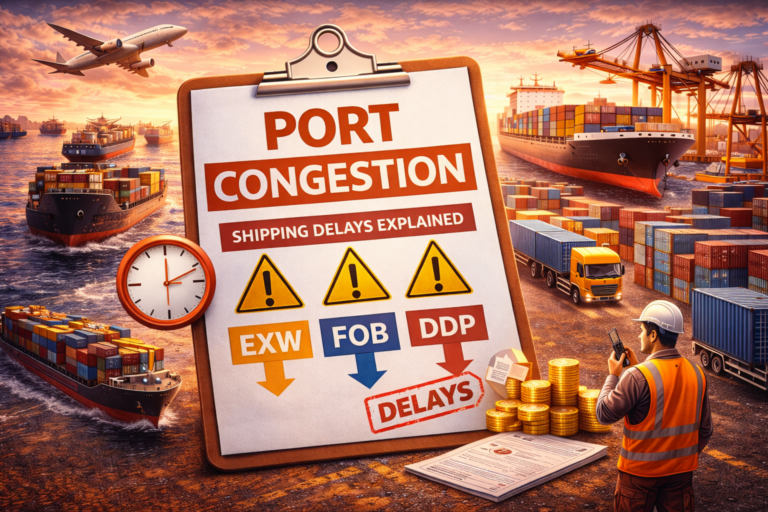
Port Congestion
Busy shipping ports may experience delays caused by:
- High cargo volumes
- Labour shortages
- Customs backlogs
Weather Delays
Storms and severe weather conditions can affect shipping schedules.
Longer Planning Cycles
Businesses using sea freight require stronger inventory forecasting and supply chain planning because of longer delivery times.
What Is Air Freight?
Air freight involves transporting cargo internationally using cargo aircraft or commercial passenger aircraft with cargo capacity.
Air freight services in South Africa operate through major airports such as:
- OR Tambo International Airport
- Cape Town International Airport
- King Shaka International Airport
Air freight is commonly used for time-sensitive or high-value shipments.
Typical Air Freight Transit Times
Air freight is significantly faster than sea freight.
Typical transit times include:
- China to South Africa: 3 to 7 days
- Europe to South Africa: 2 to 5 days
- USA to South Africa: 4 to 8 days
Advantages of Air Freight
Fast Delivery
Air freight is the fastest international shipping method available.
Businesses use air freight for:
- Urgent shipments
- Emergency stock replenishment
- Time-sensitive products
Lower Risk of Damage
Air freight usually involves less cargo handling and shorter transit times, reducing the risk of damage.
Improved Shipment Tracking
Air cargo systems provide advanced shipment tracking visibility throughout the logistics process.
Better Security
Airports generally have stricter security controls than ports, making air freight suitable for high-value products.
Disadvantages of Air Freight
Higher Costs
Air freight is substantially more expensive than sea freight.
Costs increase based on:
- Weight
- Volume
- Fuel prices
- Airport surcharges
Weight Limitations
Large or heavy cargo may be impractical or impossible to transport by air.
Limited Cargo Capacity
Aircraft cannot transport the same cargo volumes as cargo ships.
Environmental Impact
Air freight produces significantly higher carbon emissions compared to sea freight.
Sea Freight vs Air Freight Comparison
| Factor | Sea Freight | Air Freight |
| Cost | Lower | Higher |
| Delivery Speed | Slower | Faster |
| Cargo Volume | Very High | Limited |
| Best for Bulk Cargo | Excellent | Limited |
| Best for Urgent Cargo | Poor | Excellent |
| Environmental Impact | Lower | Higher |
| Damage Risk | Moderate | Lower |
| Tracking Visibility | Moderate | Excellent |
| Heavy Cargo Support | Excellent | Limited |
| Customs Processing | Slower | Faster |
| Packaging Costs | Lower | Higher |
| Inventory Flexibility | Lower | Higher |
Which Shipping Method Is More Cost-Effective?
When comparing sea freight vs air freight, businesses should evaluate total landed costs instead of focusing only on shipping rates.
Sea Freight Cost Advantages
Sea freight becomes more cost-effective when:
- Shipping large cargo volumes
- Transporting heavy goods
- Planning inventory in advance
- Importing bulk inventory
Sea freight typically offers a much lower cost per kilogram.
Air Freight Cost Advantages
Although more expensive, air freight can reduce indirect costs such as:
- Inventory shortages
- Lost sales
- Warehouse storage
- Delayed production
Air freight may save money when delivery speed is more important than transport costs.
Additional Costs Businesses Should Consider
Fuel Surcharges
Both sea and air freight rates fluctuate based on fuel prices.
Port and Airport Charges
Businesses may incur:
- Cargo handling fees
- Storage charges
- Security fees
- Inspection fees
Insurance Costs
Higher-value cargo often requires additional insurance coverage.
Packaging Requirements
Air freight generally requires stronger and lighter packaging materials.
Warehousing Costs
Longer sea freight transit times may require larger inventory storage capacity.
Best Cargo Types for Sea Freight
Sea freight is ideal for transporting:
- Machinery
- Construction materials
- Automotive parts
- Furniture
- Bulk inventory
- Industrial equipment
- Manufacturing supplies
These cargo types are often:
- Heavy
- Oversized
- Non-urgent
- Cost-sensitive
Sea freight helps businesses reduce transport costs on high-volume cargo.
Best Cargo Types for Air Freight
Air freight works best for:
- Electronics
- Medical equipment
- Pharmaceuticals
- High-value products
- Urgent stock replenishment
- Perishable goods
- Luxury items
These products often require:
- Fast delivery
- Enhanced security
- Better tracking
- Lower transit risks
Factors South African Businesses Should Consider Before Choosing
Delivery Deadlines
Urgent deliveries generally require air freight.
Businesses with flexible timelines may benefit more from sea freight savings.
Product Value
High-value products are often safer and more practical to transport by air.
Inventory Levels
Businesses with low inventory reserves may require faster replenishment using air freight.
Customer Expectations
Modern consumers increasingly expect fast delivery times.
Businesses must balance shipping costs with customer service expectations.
Budget Constraints
Sea freight usually provides lower shipping costs for businesses focused on reducing expenses.
Supply Chain Planning
Strong inventory forecasting helps businesses maximise sea freight savings.
Common Freight Shipping Mistakes Businesses Make
Choosing Air Freight Unnecessarily
Some businesses overpay for air freight when sea freight would meet delivery requirements.
Underestimating Sea Freight Timelines
Poor planning can result in inventory shortages and missed deadlines.
Incorrect Documentation
Documentation errors can cause customs delays and additional costs.
Poor Packaging
Improper packaging increases the risk of cargo damage.
Ignoring Customs Requirements
Failure to comply with customs regulations can lead to:
- Delays
- Fines
- Cargo seizures
How Freight Forwarders Help Businesses Save Money
Professional freight forwarding companies help businesses optimise logistics costs and reduce shipping risks.
Route Optimisation
Freight forwarders select the most efficient shipping routes.
Cargo Consolidation
Combining shipments reduces shipping costs for smaller businesses.
Customs Expertise
Experienced logistics professionals help avoid costly customs delays.
Better Shipping Rates
Freight forwarders negotiate competitive rates with:
- Shipping lines
- Airlines
- Transport providers
Reduced Delays
Professional coordination improves shipment reliability and supply chain performance.
End-to-End Logistics Management
Freight forwarders manage:
- Shipping bookings
- Documentation
- Customs clearance
- Warehousing
- Final delivery
5 Seas Logistics provides tailored freight forwarding solutions designed to help businesses reduce shipping costs while improving delivery efficiency.
Frequently Asked Questions
Is Sea Freight Always Cheaper?
Sea freight is generally cheaper for large or heavy shipments, while air freight may offer better value for urgent cargo.
How Long Does Sea Freight Take to South Africa?
Transit times vary depending on the origin country, shipping route, and customs processing.
What Products Should Not Be Shipped by Air?
Very heavy, oversized, or hazardous cargo may not be suitable for air freight.
Which Shipping Method Is Safest?
Air freight generally offers lower damage risk because of shorter transit times and stricter handling procedures.
Can Small Businesses Use Freight Forwarding Services?
Yes. Freight forwarding services help businesses of all sizes manage international shipping more efficiently.
Final Thoughts
Choosing between sea freight and air freight depends on several factors including budget, delivery deadlines, cargo type, and supply chain strategy.
Sea freight remains the most cost-effective solution for bulk cargo and large shipments, while air freight provides unmatched speed and flexibility for urgent or high-value goods.
Businesses that understand the strengths and limitations of each shipping method can reduce logistics costs, improve operational efficiency, and strengthen supply chain reliability.
Working with experienced freight forwarding professionals helps businesses make smarter shipping decisions while avoiding unnecessary costs and delays.
5 Seas Logistics provides professional freight forwarding, customs clearance, sea freight, and air freight solutions tailored to the needs of South African businesses.
Contact 5 Seas Logistics today to optimise your international shipping strategy and reduce your logistics costs.