The logistics environment in 2026 remains a complex arena for South African importers and exporters. While infrastructure upgrades at our primary gateways are underway, the reality on the ground—particularly at the Durban Container Terminal (DCT) and the Port of Cape Town—demands a shift from reactive shipping to proactive supply chain engineering.
For many businesses, a shipment stuck at anchor isn’t just a delay; it is a direct hit to liquidity and a strain on shelf availability. To compete, we must bridge the gap between acknowledging these challenges and actively outmaneuvering them.
The 2026 Reality: Equipment, Weather, and Berthing
As of early 2026, the primary drivers of port congestion in South Africa have shifted. While labor stability has improved, the focus is now on the reliability of aging gantry cranes and the increasing frequency of “wind-bound” days in the Western Cape.
When equipment availability drops below 70% at a terminal, a backlog of just three vessels can cascade into a 14-day delay for downstream arrivals. For SMEs, this “dwell time” on the water is the hidden killer of profitability. Understanding these mechanical and meteorological constraints is the first step in building a resilient logistics strategy.
The 5 Seas Methodology: Moving Beyond “Wait and See”
At 5 Seas Logistics, we don’t treat port congestion as an inevitability. We treat it as a variable to be managed through technical precision and local expertise. Our methodology focuses on three core pillars:
1. Port Diversification and Alternative Routing
Relying solely on DCT Pier 2 during peak seasons is a high-risk strategy. We analyze real-time vessel turnaround times to determine if rerouting through the Port of Ngqura (Coega) or East London—coupled with efficient road haulage—actually yields a faster “door-to-door” time despite the extra distance.
2. Aggressive Pre-Clearance Protocols
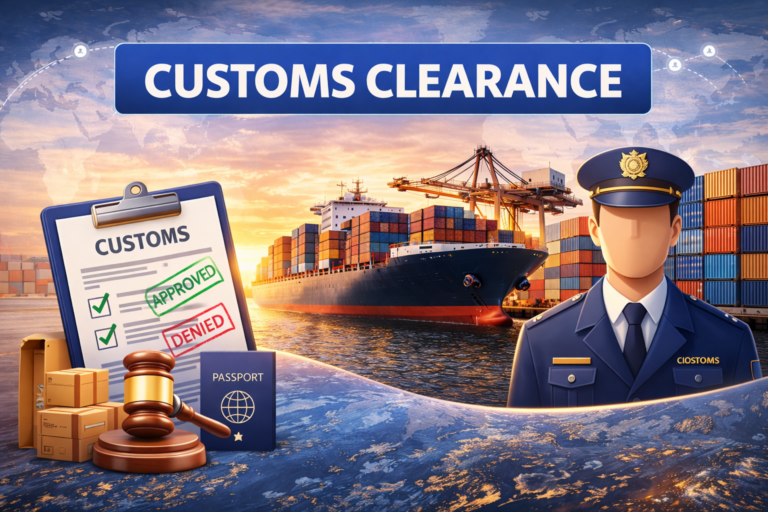
The most effective way to minimize time on the quay is to ensure that the administrative “heavy lifting” is completed before the vessel even enters South African territorial waters. By leveraging advanced SARS electronic data interchange (EDI) and ensuring 100% documentation accuracy (Voucher of Correction avoidance), we aim for “immediate release” status, allowing containers to move directly from the hook to the haulier.
3. Strategic Staging and Bonded Warehousing
When ports are congested, the surrounding infrastructure often buckles under the weight of “empty” movements. We utilize strategically located bonded warehouses that allow our clients to defer VAT and duties while their cargo is staged securely outside the terminal gates, ready for final-mile delivery the moment a slot opens.
The Economic Impact of Dwell Time
In the logistics world, time is more than money—it’s interest. Every day a container sits at anchor or in a stack, the owner incurs:
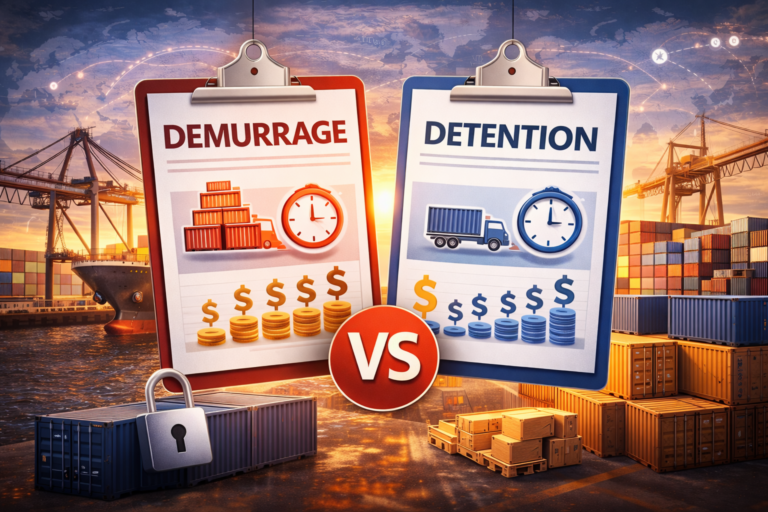
- Demurrage and Detention Fees: These can escalate exponentially after the free-time window expires.
- Opportunity Cost: Capital tied up in stagnant inventory cannot be reinvested into the business.
- Contractual Penalties: For exporters, missing a shipping window can lead to canceled orders and damaged brand reputations.
By reducing dwell time through technical SEO-like precision in our scheduling and documentation, we protect the business economics of our partners.
The 3-Point Checklist for Resilient Shipping
To prepare your supply chain for the remainder of 2026, we recommend the following proactive steps:
- Forecast with a 4-Week Buffer: Move away from “Just-in-Time” to “Just-in-Case.” Ensure your orders are placed with enough lead time to absorb a 10-day port delay without impacting your customers.
- Audit Your Documentation Early: Ensure your HS Codes and valuations are bulletproof. A single SARS query during a period of high congestion can turn a minor delay into a month-long nightmare.
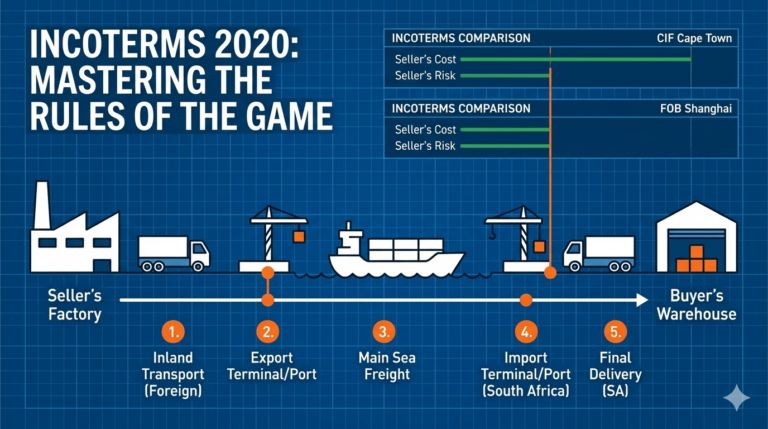
- Verify Your Incoterms: Ensure you know exactly where your liability ends and your forwarder’s responsibility begins. In a congested landscape, the “cheapest” freight quote often hides the highest terminal handling and delay costs.
Conclusion: Partnership Over Procurement
Logistics in South Africa is no longer a commodity service; it is a strategic asset. Navigating the 2026 port landscape requires more than just a tracking number—it requires a partner who understands the mechanical, legal, and economic levers that keep cargo moving.
At 5 Seas Logistics, we combine local grit with technical expertise to ensure that while the ports may be congested, your business remains fluid.
Ready to optimize your next shipment? Let’s discuss how we can apply these mitigation strategies to your specific trade lanes.