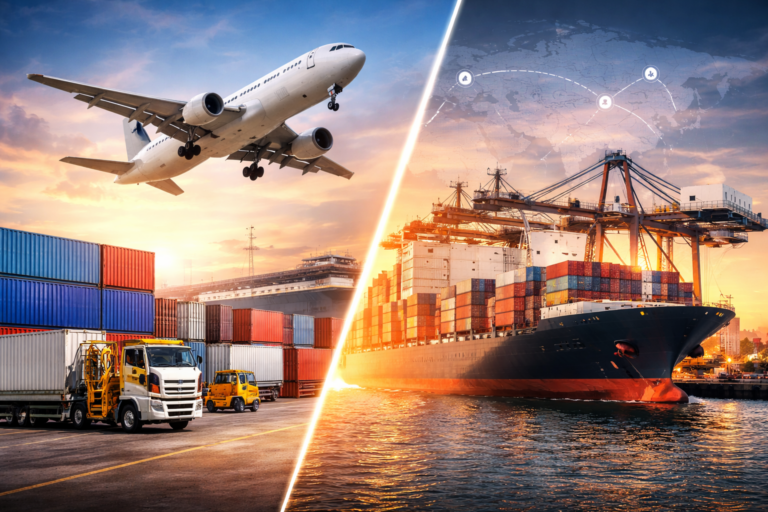
International trade allows businesses to reach customers and suppliers around the world. However, moving goods across borders involves far more than simply loading cargo onto a ship or aircraft. Every international shipment must pass through a complex network of transport providers, customs authorities, warehouses, and logistics systems.
This is where freight forwarders play a critical role. Freight forwarding companies coordinate the entire shipping process, ensuring goods move efficiently from the origin to the final destination. For businesses involved in importing or exporting goods, freight forwarders act as logistics specialists who manage transportation, documentation, and compliance with international regulations.
In this guide, we explain what a freight forwarder does, the services they provide, and why they are essential to global supply chains.
What Is a Freight Forwarder?
A freight forwarder is a logistics service provider that organises and manages the transportation of goods on behalf of importers and exporters.
Rather than physically transporting cargo themselves, freight forwarders coordinate shipments through a network of carriers that may include:
- shipping lines
- airlines
- trucking companies
- rail operators
Freight forwarders act as intermediaries between businesses and transportation providers. Their role is to ensure that cargo moves smoothly through each stage of the logistics process.
Freight forwarding companies manage tasks such as:
- booking cargo space with carriers
- preparing shipping documentation
- coordinating customs clearance
- arranging inland transportation
- managing warehousing and cargo handling
Global logistics providers such as Kuehne+Nagel, DHL Global Forwarding, and DB Schenker operate extensive freight forwarding networks that support international trade.
How Freight Forwarding Works
Freight forwarding involves coordinating multiple logistics services to move cargo from one location to another.
Although the exact process varies depending on the shipment, a typical freight forwarding process includes several key steps.
Cargo Collection
The freight forwarder arranges for cargo to be collected from the shipper’s warehouse or manufacturing facility.
Export Documentation
Export documentation must be prepared to comply with international trade regulations.
This may include:
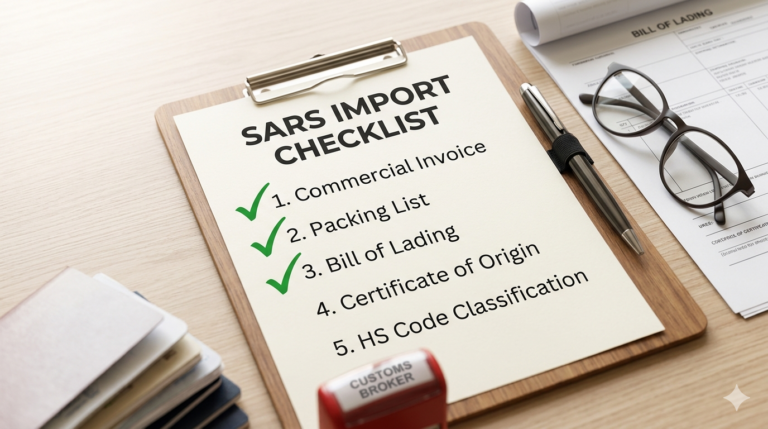
- commercial invoices
- packing lists
- export declarations
- certificates of origin
Cargo Transportation
The freight forwarder books cargo space with transportation providers, such as ocean carriers or airlines.
Customs Clearance
Before cargo can cross international borders, customs clearance procedures must be completed.
Freight forwarders coordinate the submission of customs documentation and ensure regulatory compliance.
Final Delivery
Once cargo arrives in the destination country, the freight forwarder arranges transportation to the consignee’s warehouse or distribution centre.
By coordinating these steps, freight forwarders simplify the shipping process for businesses.
Key Services Provided by Freight Forwarders
Freight forwarding companies offer a range of logistics services designed to support international trade.
Air Freight
Air freight is the fastest method of transporting goods internationally. Freight forwarders coordinate air cargo shipments for businesses that require rapid delivery.
Sea Freight
Sea freight is the most widely used transport method for international trade. Freight forwarders organise container shipping for both Full Container Load (FCL) and Less Than Container Load (LCL) shipments.
Customs Clearance
Freight forwarders prepare customs documentation and coordinate with customs authorities to ensure shipments comply with import and export regulations.
Cargo Consolidation
Freight forwarders often consolidate multiple shipments into a single container, allowing businesses to reduce transportation costs.
Warehousing
Many freight forwarders provide temporary storage services for cargo before shipment or distribution.
Inland Transportation
Freight forwarders coordinate trucking and rail transportation to move cargo between ports, warehouses, and final delivery locations.
These services allow businesses to manage complex international logistics through a single logistics partner.
Freight Forwarder vs Shipping Line
Freight forwarders and shipping lines both play important roles in global logistics, but their functions are different.
Shipping Lines
Shipping lines operate the vessels that transport containers across oceans.
Major ocean carriers include companies such as Maersk, MSC Mediterranean Shipping Company, and CMA CGM.
These companies own container ships and provide ocean transportation services.
Freight Forwarders
Freight forwarders do not typically operate ships or aircraft. Instead, they coordinate shipments using multiple transportation providers.
They select the most efficient carriers, manage logistics operations, and oversee documentation and compliance.
In essence, freight forwarders manage the entire logistics journey, while carriers focus on transporting cargo.
Freight Forwarder vs Customs Broker
Another logistics role often confused with freight forwarding is the customs broker.
Customs Brokers
Customs brokers specialise in managing customs procedures and regulatory compliance.
Their responsibilities include:
- preparing customs declarations
- classifying goods using HS codes
- calculating duties and taxes
- coordinating cargo inspections
Freight Forwarders
Freight forwarders manage the broader logistics process, including transportation, documentation, and supply chain coordination.
Many freight forwarding companies also provide customs brokerage services as part of their logistics solutions.
The Advantages of Using a Freight Forwarder
Working with a freight forwarder offers several important benefits for businesses involved in international trade.
Simplified Logistics
Freight forwarders coordinate multiple logistics services, allowing businesses to manage shipments through a single point of contact.
Access to Global Transport Networks
Freight forwarders maintain relationships with numerous shipping lines, airlines, and logistics providers, giving businesses access to global transport networks.
Cost Optimisation
By consolidating shipments and negotiating carrier rates, freight forwarders can often secure more competitive shipping prices.
Regulatory Compliance
International trade regulations can be complex. Freight forwarders help businesses comply with customs requirements and documentation standards.
These advantages make freight forwarding services valuable for companies managing global supply chains.
How Freight Forwarders Reduce Shipping Risks
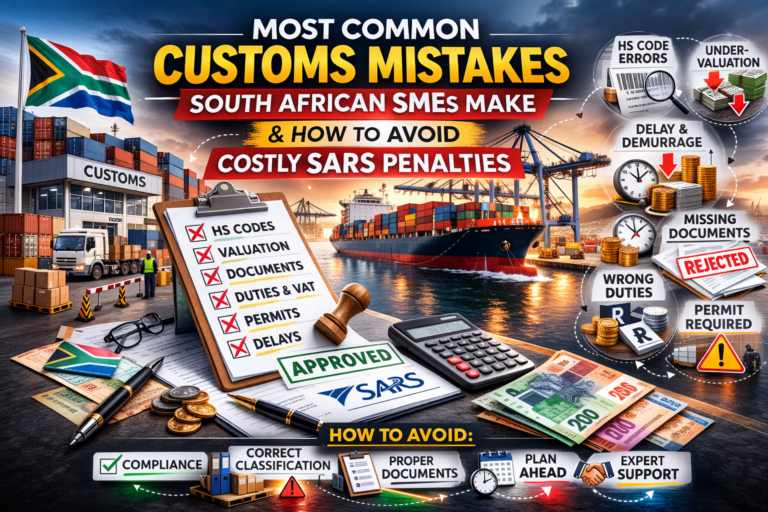
International shipping involves several potential risks, including cargo damage, documentation errors, and regulatory delays.
Freight forwarders help reduce these risks by implementing structured logistics processes.
Documentation Management
Accurate documentation is essential for customs clearance and regulatory compliance.
Freight forwarders ensure that all required documents are prepared correctly.
Cargo Handling Coordination
Freight forwarders organise cargo handling procedures to minimise damage during transportation.
Insurance Arrangements
Many freight forwarders assist businesses with cargo insurance to protect shipments against potential loss or damage.
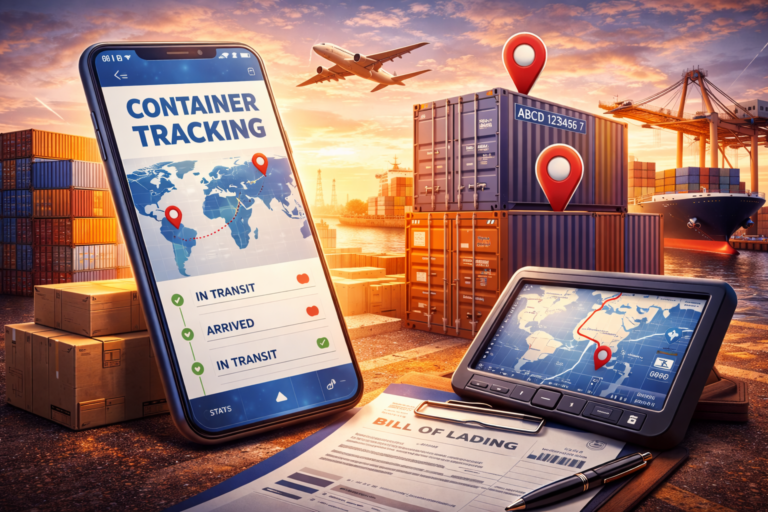
Shipment Tracking
Modern logistics systems allow freight forwarders to monitor cargo movements and provide shipment updates.
These risk management practices help ensure reliable international shipping.
Industries That Depend on Freight Forwarding
Freight forwarding services support a wide range of industries that rely on international supply chains.
Manufacturing
Manufacturers depend on freight forwarders to transport raw materials and finished products between production facilities and global markets.
Retail and E-Commerce
Retailers use freight forwarding services to import consumer goods from overseas suppliers.
Automotive
Automotive manufacturers rely on global logistics networks to move components and vehicles across international markets.
Technology
Electronics and technology companies depend on efficient air freight and sea freight logistics to distribute products worldwide.
Pharmaceuticals
Pharmaceutical companies require specialised logistics services to transport temperature-sensitive medical products.
These industries rely on freight forwarders to maintain reliable supply chains.
Choosing the Right Freight Forwarder
Selecting the right logistics partner is an important decision for businesses involved in international trade.
Several factors should be considered when choosing a freight forwarding company.
Industry Experience
Experienced freight forwarders understand the complexities of global shipping and regulatory compliance.
Global Network
A strong international network allows freight forwarders to coordinate shipments efficiently across multiple countries.
Logistics Services
Businesses should select freight forwarders that offer the services required for their specific shipping needs.
Customer Support
Reliable communication and shipment tracking are essential for managing international logistics operations.
Working with a reputable freight forwarding partner helps businesses maintain efficient and predictable supply chains.
Final Thoughts: Why Freight Forwarders Are Essential to Global Trade
Freight forwarders play a vital role in modern global commerce. By coordinating transportation, documentation, and regulatory compliance, they help businesses navigate the complexities of international shipping.
For companies engaged in importing or exporting goods, freight forwarding services simplify logistics operations, reduce shipping risks, and ensure that cargo reaches its destination efficiently.
As global trade continues to expand, the expertise provided by freight forwarders will remain essential for connecting businesses to international markets and maintaining reliable supply chains.