Global shipping is in the middle of the biggest regulatory shift in its history. The International Maritime Organization’s (IMO) revised 2023 GHG Strategy has set the sector on a strict pathway toward net-zero emissions by 2050, with binding short-, mid-, and long-term targets. For importers, exporters, and logistics managers, these mandates are no longer abstract environmental ambitions — they now influence freight rates, carrier selection, vessel deployment, and day-to-day supply chain planning.
Understanding what is changing, why it matters, and how to prepare will determine which businesses absorb rising complexity and which remain competitive as the industry transitions to lower-carbon operations.
1. What the New IMO Strategy Actually Requires
The IMO’s updated strategy commits international shipping to:
• Net-zero GHG emissions by or around 2050.
• A 20% reduction in emissions by 2030, with an aspirational target of 30%.
• A 70% reduction by 2040, with a stretch target of 80%.
To reach these milestones, the IMO is expanding regulatory instruments that directly affect carriers — and indirectly, every importer and exporter:
CII (Carbon Intensity Indicator)
Every vessel above 5 000 GT receives an annual A–E rating based on emissions per cargo tonne-mile. Ships rated D for three consecutive years or E once must submit corrective plans or risk commercial restrictions.
EEXI (Energy Efficiency Existing Ship Index)
Older vessels must meet minimum design-efficiency standards or undergo retrofits (engine power limitations, propeller upgrades, hull modifications).
Well-to-Wake Accounting
Future fuel-based measures will consider full lifecycle emissions, meaning LNG, methanol, ammonia, and biofuels will be assessed with strict transparency.
Economic Instruments
The IMO is developing global pricing mechanisms such as carbon levies or emissions-linked fuel standards. The EU’s ETS already affects ships calling at European ports, signalling where the global market is heading.
For shippers, the practical takeaway is simple: carriers are facing higher compliance costs, investment pressure, and operational constraints — and these effects cascade directly into supply chains.
2. How Decarbonisation Will Impact Your Freight Costs
Most businesses will experience the transition first through pricing.
Higher bunker costs
Low-carbon fuels such as green methanol and ammonia remain significantly more expensive than traditional fuel oil. As carriers transition their fleets, fuel surcharges will rise.
Carbon-related fees
The EU ETS has already introduced emissions charges on voyages to and from Europe. Similar global measures are almost certain. If the IMO implements a universal levy, shippers will see these costs itemised in freight invoices.
Slow steaming and capacity constraints
To improve CII ratings, many carriers are reducing vessel speeds. Slower transit times mean vessels spend longer at sea, reducing effective capacity and increasing rate volatility.
Investment pass-through
Retrofitting existing ships and constructing alternative-fuel vessels will drive long-term capex for carriers. These expenses will be priced into freight over the next decade.
For companies dependent on predictable import cycles, understanding these cost drivers is essential for budgeting and contract negotiation.
3. Operational Impacts: Transit Times, Routing, and Vessel Availability
IMO compliance is influencing how carriers operate their networks.
Longer transit times
Speed reductions of even one knot can add days to major routes. Businesses with narrow inventory margins will need stronger visibility tools and earlier forecasting.
Route changes and port rotations
Carriers may adjust services to maintain favourable CII ratings or avoid emissions-intensive deviations. Some ports will receive fewer direct calls, increasing reliance on transshipments.
Vessel downgrades and retrofits
Ships undergoing retrofits may temporarily leave service. Others may shift between trades as carriers optimise where their most efficient vessels operate.
More differentiation between carriers
Companies that invest early in clean-fuel vessels will become preferred partners for shippers seeking lower-emissions supply chains and ESG compliance.
In short, the operational environment is becoming more dynamic, and proactive planning is now a competitive advantage.
4. What This Means for Documentation and Reporting
Many businesses underestimate the administrative impact of decarbonisation. New reporting frameworks are emerging across regions:
• Shippers may be asked by customers or investors to provide carbon-footprint data per shipment.
• Carriers are offering CO₂ calculators tied to vessel-level emissions.
• Corporate ESG reporting frameworks increasingly require accurate Scope 3 (Category 9 – downstream transportation and distribution) data.
• Trade finance providers may soon evaluate emissions intensity when assessing risk.
As traceability and transparency become standard, businesses must improve their document flows, data capture systems, and carbon-reporting capabilities.
5. How Different Sectors Will Be Affected
Decarbonisation affects industries unevenly. Understanding these distinctions helps companies anticipate risk.
FMCG and Retail
These sectors rely on predictable timelines and margin-sensitive pricing. Slower transit times and fluctuating surcharges impact shelf availability and planning cycles.
Automotive and Industrial Manufacturing
High-value components depend on precision supply chains. Carbon reporting will become critical for OEMs with strict global ESG targets.
Agriculture and Perishables
Longer or less reliable transit times increase spoilage risk. Some carriers may prioritise more efficient reefer vessels for premium markets.
Mining and Resource Exports
Bulk carriers face their own decarbonisation pressures. South African exporters, particularly in coal and iron ore, will experience growing scrutiny from overseas buyers.
Sector-specific knowledge enables businesses to adjust strategies before disruptions escalate.
6. Practical Steps to Prepare Your Supply Chain
Companies that act early will reduce exposure to cost shocks and regulatory surprise. The following steps offer a practical starting point:
- Map your emissions exposure. Understand where your freight travels, which carriers you use, and the carbon intensity of those services.
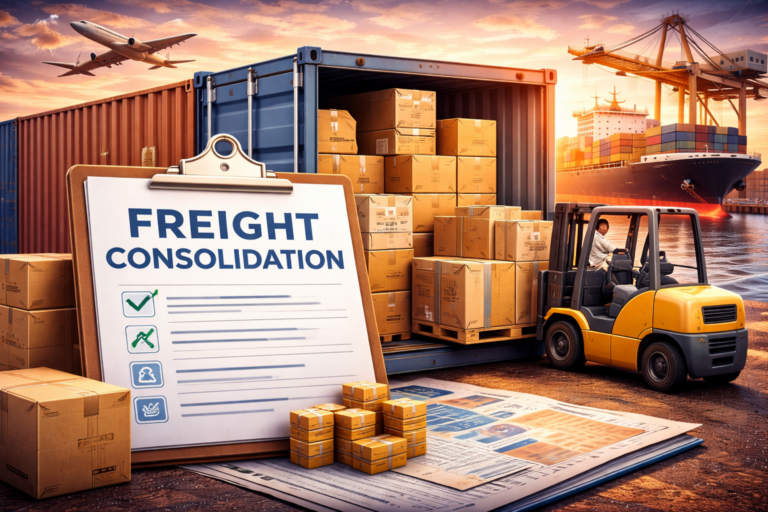
- Consolidate shipments where possible. Larger, less frequent loads reduce both emissions and per-unit costs.
- Revisit Incoterms. Control over the freight leg may help with carbon reporting and cost optimisation.
- Strengthen forecasting and inventory buffers. Adjust lead times to account for slower vessel speeds or route changes.
- Engage carriers with clear ESG strategies. Some already operate methanol-ready or biofuel-enabled vessels.
- Optimise routing with your forwarder. Alternative ports, feeder services, or different transhipment hubs may offer better cost-to-emissions performance.
- Implement emissions reporting tools. This supports ESG compliance, supplier audits, and customer transparency.
- Negotiate long-term contracts where appropriate. This can smooth price volatility caused by carbon-related charges.
Preparedness is no longer optional; it is a strategic requirement.
7. What the Shift Means for Businesses in South Africa
South African companies face unique considerations:
• Longer voyage distances mean higher emissions exposure.
• EU-facing exporters now fall under the EU ETS, requiring accurate emissions calculations from carriers.
• Port congestion and infrastructure limitations amplify schedule variability.
• Local regulations may eventually mirror global decarbonisation frameworks.
For importers and exporters operating through Cape Town, Durban, Gqeberha, and Ngqura, clear communication with freight partners is crucial.
Conclusion: Navigating the New Maritime Landscape
The IMO’s decarbonisation mandates present both challenge and opportunity. Businesses that understand the regulatory landscape, adapt their planning cycles, and partner with forwarders capable of interpreting these changes will be in the strongest position to maintain cost control and service reliability.
At 5 Seas Logistics, we help companies navigate this transition with route optimisation, emissions-aware carrier selection, transparent reporting, and proactive risk management. As regulations evolve, our role is to keep your supply chain resilient, compliant, and competitive in a lower-carbon global economy.