Freight often feels like a commodity. A container moves from A to B, and procurement teams naturally focus on one number: the rate. When margins are tight, selecting the lowest quote seems commercially responsible.
But freight is not just a transport transaction. It is a chain of operational, regulatory and financial decisions. Choosing the cheapest forwarder can reduce cost on the invoice — while increasing cost everywhere else.
The difference rarely shows on day one. It appears over time through delays, compliance issues, communication gaps and margin erosion.
The Illusion of the Lowest Rate
Freight quotations are not always structured the same way.
A low headline rate may exclude:
• Origin handling fees
• Documentation charges
• Destination terminal handling
• Congestion surcharges
• Currency adjustment factors
• Port storage exposure
In some cases, rates are offered below sustainable levels to win the shipment, with margin recovered through ancillary charges.
SMEs comparing quotes without full line-item transparency often assume they are reviewing identical structures. They are not.
A strategic forwarder explains total exposure before booking. A transactional forwarder focuses on the base rate.
The difference becomes visible after the container sails.
The Cost of Weak Compliance Oversight
Customs compliance is one of the most underestimated risks in importing.
If a forwarder:
• Accepts supplier-provided HS codes without verification
• Does not review invoice descriptions
• Fails to flag permit requirements
• Processes clearance reactively
The importer carries the exposure.
Incorrect classification can result in:
• Underpaid duties and future audits
• Clearance delays
• Penalties and interest
• Shipment holds
Customs risk is not theoretical. It directly impacts margin and delivery timelines.
The cheapest forwarder may not allocate time to proactive compliance review. That cost appears later in demurrage, inspections and stress.
Operational Risk and Communication Gaps
During stable conditions, most forwarders perform adequately.
The difference becomes clear during disruption:
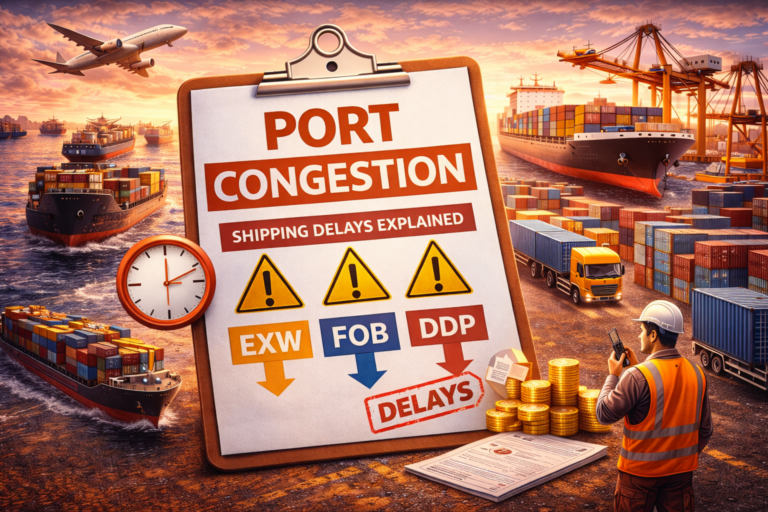
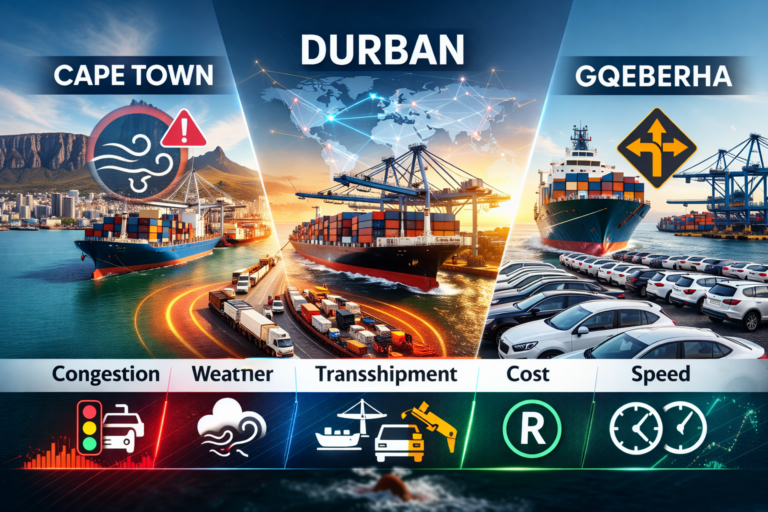
• Port congestion in Durban
• Wind stoppages in Cape Town
• Missed feeder connections
• Vessel blank sailings
When schedules shift, proactive communication is critical.
A forwarder who monitors berth windows, anchorage queues and stack density can advise early. A rate-driven forwarder reacts only when the client asks.
Delayed communication leads to:
• Missed transport bookings
• Container dwell extension
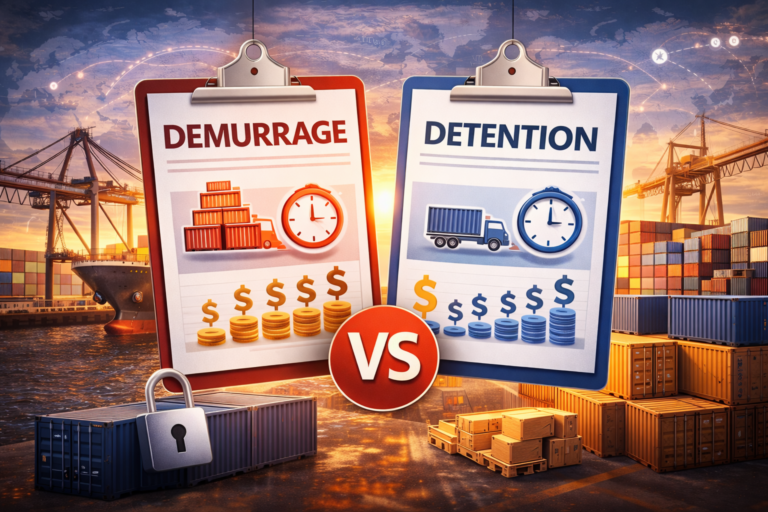
• Accumulated demurrage
• Customer delivery delays
Operational silence is expensive.
The Financial Impact of Delays
Freight delays rarely remain isolated.
A two-day delay can become:
• Port storage charges
• Detention exposure
• Driver waiting time fees
• Stockouts on key SKUs
• Emergency air shipments
• Lost revenue
For SMEs operating with limited buffer stock, delivery timing directly affects sales performance.
The cheapest freight booking can become the most expensive when delays ripple across the supply chain.
Margin erosion rarely comes from freight rate alone. It comes from volatility.
Insurance and Liability Blind Spots
Cargo insurance and liability limits are often misunderstood.
Under standard shipping law, carrier liability is limited. If goods are damaged, compensation may be far below cargo value.
A forwarder focused solely on price may not discuss:
• Marine insurance coverage
• General average risk
• Claim documentation requirements
• Packaging vulnerability
When damage occurs, recovery depends on preparation done before shipment.
The cheapest option often excludes risk discussion entirely.
What a Strategic Freight Partner Actually Does
A strategic forwarder operates differently.
Before shipment, they:
• Review Incoterms and valuation impact
• Confirm HS classification alignment
• Flag permit requirements
• Model port performance risk
• Assess freight-mode suitability
• Negotiate extended free time where needed
During transit, they:
• Monitor vessel schedule adjustments
• Track port congestion developments
• Communicate proactively
• Align clearing and haulage timing
After arrival, they:
• Review dwell performance
• Identify cost leakages
• Recommend improvements
The value lies in risk reduction, not just booking.
How to Evaluate a Forwarder Properly
Instead of comparing only freight rates, SMEs should evaluate:
Transparency — Are all charges clearly itemised?
Communication — Are updates proactive or reactive?
Compliance capability — Is documentation reviewed before sailing?
Risk planning — Is port performance considered in routing decisions?
Problem resolution — How quickly are issues escalated?
Advisory depth — Are recommendations given beyond the rate?
Freight may look transactional, but the consequences are strategic.
Choosing a forwarder should be treated as choosing a supply-chain partner, not a price vendor.
The Long-Term Cost of Cheap Decisions
Low-cost freight can create hidden exposure in:
• Working capital
• Demurrage accumulation
• Customer satisfaction
• Regulatory risk
• Inventory volatility
Inconsistent logistics performance forces SMEs into reactive decisions — emergency shipments, rushed clearance, urgent transport bookings — all of which cost more than structured planning.
Stability is often more valuable than small rate differences.
Conclusion
Freight pricing matters. But freight strategy matters more.
The hidden cost of choosing the cheapest forwarder appears in margin instability, compliance risk and operational stress. Over time, those costs exceed the savings achieved on the invoice.
At 5 Seas Logistics, we focus on total supply-chain performance — not just freight rates. By modelling risk, reviewing compliance and planning proactively, we help SMEs protect margin and maintain predictable operations.
In today’s logistics environment, the smartest decision is rarely the cheapest one.