While global ocean freight often dominates logistics headlines, the true lifeblood of African trade operates on asphalt. Gauteng—the undisputed industrial and commercial engine of South Africa—serves as the primary economic springboard into the Southern African Development Community (SADC). From the sprawling manufacturing hubs of Johannesburg and Pretoria, millions of tons of fast-moving consumer goods (FMCG), mining equipment, and industrial components are dispatched daily into the African interior.
However, moving commercial goods from South Africa into Zimbabwe, Zambia, the Democratic Republic of Congo (DRC), or Mozambique is not for the operationally fragile. Cross-border road freight presents an intense gauntlet of infrastructural bottlenecks, volatile security risks, and unforgiving bureaucratic frameworks. To successfully scale an export operation into the SADC region, businesses must move past basic logistics and partner with forwarders who possess deep, on-the-ground cross-border expertise.
The Core Arteries and Bottlenecks
A successful overland export strategy requires a granular understanding of the specific routes originating from the Gauteng corridor, as well as the unique operational realities associated with each border post.
The N1 Corridor to Beitbridge
The N1 highway leading to the Beitbridge border post is the most critical trade artery in Southern Africa. It serves as the primary gateway into Zimbabwe and the vital transit route pushing further north into the Zambian Copperbelt and the DRC.
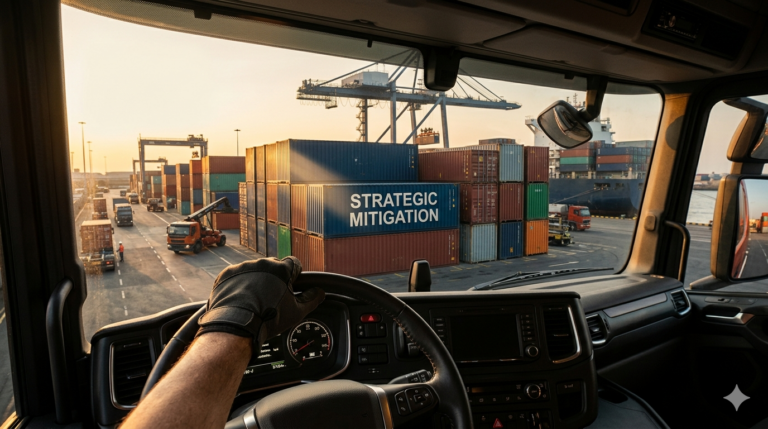
Despite recent modernization efforts, Beitbridge remains notoriously congested. Commercial vehicles often face extensive truck staging requirements, meaning drivers must queue in designated staging areas outside the border zone before being called forward. Without flawless pre-clearance and a forwarder who understands staging protocols, trucks can easily be delayed for days, severely disrupting supply chain lead times.
The N4 Corridor to Lebombo/Komatipoort
Heading east from Gauteng, the N4 corridor to the Lebombo/Komatipoort border post connects South African exporters to Mozambique. This route has seen explosive growth as an alternative gateway to the Port of Maputo, particularly for bulk minerals and agricultural exports bypassing the congested South African ports.
However, the sheer volume of heavy transport on this route has created unprecedented border queues, sometimes stretching for dozens of kilometers. Navigating the Lebombo crossing requires precise timing, advanced staging coordination, and proactive communication with local traffic management authorities.
Mastering Cross-Border Customs and Compliance
A common misconception among new exporters is that border delays are caused purely by traffic or poor infrastructure. In reality, crippling delays are almost always a paperwork issue. A single missing stamp or an incorrect tariff code can leave a multi-million Rand consignment stranded in a border queue for weeks.
To achieve frictionless border crossings, your customs documentation must be forensically accurate:
- Flawless Documentation Stack: Commercial Invoices, detailed Packing Lists, and precise HS Code classifications must perfectly match the physical cargo. Destination revenue authorities are highly aggressive in auditing HS codes to prevent duty evasion; a misclassified product will result in immediate stoppage and heavy fines.
- The SADC Certificate of Origin: This is arguably the most important document in your export arsenal. Goods manufactured or assembled within South Africa qualify for preferential (often zero-rated) import tariffs in other SADC countries. Failing to secure and present a valid SADC Certificate of Origin means your buyer will pay full duties, destroying your product’s regional price competitiveness.
- Mandatory Customs Pre-Clearance: Modern cross-border logistics relies entirely on Pre-clearance. A premium freight forwarder will submit all customs declarations electronically to the South African Revenue Service (SARS) and the destination country’s customs authority long before the truck ever leaves the warehouse in Gauteng. When the truck arrives at the border, it should merely be a process of document verification and physical inspection, not data entry.
Consolidation (LTL) vs. Full Truckload (FTL)
Because Gauteng is the central staging hub for SADC logistics, exporters must choose the right transport model based on their cargo volume and risk tolerance.
Full Truckload (FTL)
For large-scale mining operations, heavy industrial projects, or massive FMCG rollouts, FTL is the standard. By booking a dedicated vehicle, the exporter maintains total control over the cargo environment. FTL shipments generally clear borders faster because the customs documentation is singular and unified. If the paperwork for the load is perfect, the truck moves.
Less Than Truckload (LTL) Consolidations
For smaller exporters or businesses sending highly targeted stock replenishments, LTL (or groupage) is the most cost-effective option. Multiple shipments from different suppliers are consolidated into a single trailer in Johannesburg before heading north.
However, LTL comes with a strict operational caveat: the “weakest link” rule. If five exporters have perfect customs paperwork, but the sixth exporter on the truck has an invalid HS code, the entire truck is stopped at the border. Partnering with a forwarder that enforces ruthless compliance checks on every single piece of consolidated cargo is the only way to make LTL a viable cross-border strategy.
Mitigating Transit Risk in the African Interior
Once a truck successfully navigates the border, the journey is far from over. The African interior presents dynamic risks that require proactive mitigation strategies.
- Infrastructural Deterioration: Sudden road washouts, unmaintained regional highways, and severe weather can render traditional routes impassable.
- Transit Security and Strikes: Unplanned border strikes, local community protests, and cargo theft are ever-present threats on long-haul routes.
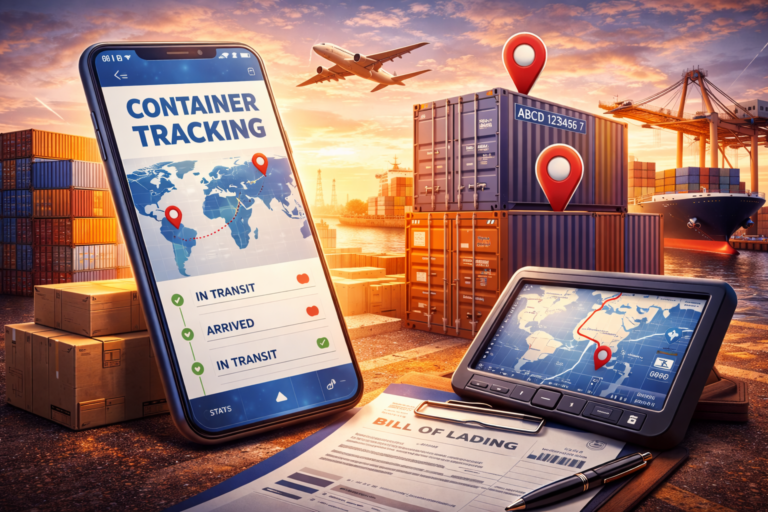
- Active Monitoring Solutions: To mitigate these risks, premium forwarders utilize advanced dual-SIM GSM and GPS satellite tracking. This ensures real-time visibility across multiple African cellular networks. Combined with dynamic geofencing and active route surveys, operations teams can reroute trucks in real-time, avoiding protests, directing drivers to secure truck stops, and ensuring the cargo maintains continuous forward momentum.
The 5 Seas Logistics Advantage: Your Gateway to Africa
Expanding your market share into Sub-Saharan Africa is a lucrative growth strategy, but it requires an overland logistics partner that leaves nothing to chance.
At 5 Seas Logistics, we serve as the reliable bridge between South African manufacturing and the rapidly growing SADC consumer markets. From our operations hubs in Gauteng, we provide an end-to-end overland solution that systematically eliminates border friction. Our deep expertise in SADC customs compliance, strategic staging management, and active transit security ensures that your cargo doesn’t just cross the border—it arrives on time and on budget.
Don’t let bureaucratic deadlocks and route inefficiencies stall your African expansion.
Ready to optimize your SADC export strategy?
Contact 5 Seas Logistics today for competitive cross-border road freight rates and specialized customs compliance consulting tailored to the Gauteng export corridor.