The volatility experienced in global shipping over the past few years is no longer temporary disruption — it is structural change. Port congestion, rate cycles, regulatory shifts, alliance consolidation and environmental pressure have reshaped the logistics environment permanently. For South African SMEs, freight can no longer be treated as a back-end operational cost. It is now a strategic lever that directly influences margin stability, competitiveness and growth.
The next five years will not be defined by stability returning to “normal.” Instead, they will be shaped by reform, digital transformation, environmental compliance and ongoing capacity management. SMEs that adapt early will gain advantage. Those that continue to plan reactively will struggle with unpredictability.
Port Infrastructure and Reform
South Africa’s major ports — Durban, Cape Town and Gqeberha — remain central to regional trade. However, structural constraints are unlikely to disappear overnight.
Durban continues to face volume pressure and equipment strain due to its scale and role as the primary gateway for inland South Africa. While infrastructure upgrades and maintenance programmes are underway, congestion cycles are likely to remain a feature during peak import seasons.
Cape Town’s weather vulnerability, particularly wind-related crane stoppages, will remain a recurring operational variable. Improvements in scheduling and equipment reliability may help, but geographic exposure cannot be engineered away.
Gqeberha, while less congested, will continue to operate within feeder-dependent rotations for certain routes. This introduces transshipment sensitivity that SMEs must factor into planning.
Private sector participation and public-private partnerships may improve efficiency over time, but structural constraints will take years to resolve. Businesses should plan based on realistic port performance rather than optimistic projections.
Digitalisation and Customs Modernisation
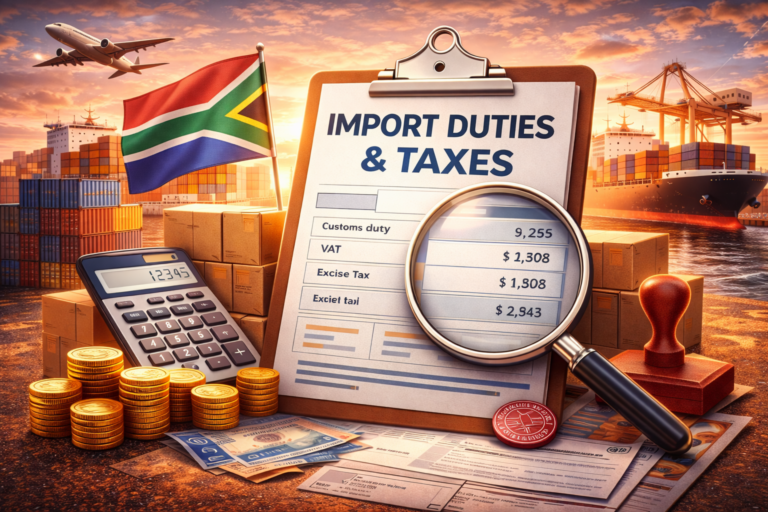
Customs processes are steadily moving toward greater automation and digital integration. Risk-based inspection models and electronic documentation systems are becoming more common.
For SMEs, this creates both opportunity and obligation.
Electronic systems reduce manual errors and can accelerate clearance for compliant importers. However, increased data transparency also means inconsistencies in documentation, valuation and classification are more easily flagged.
In the coming years, customs compliance will likely become more data-driven. Importers with organised documentation workflows and consistent classification records will experience smoother clearance cycles.
Those with reactive processes may face greater scrutiny.
Digitalisation will reward discipline.
Decarbonisation and Environmental Regulation
The maritime industry is under mounting pressure to reduce emissions. International Maritime Organization targets, carbon intensity ratings and potential fuel levies are reshaping vessel economics.
As carriers transition toward lower-carbon fuels and retrofit fleets, operating costs will rise. These costs will not be absorbed indefinitely by shipping lines — they will be reflected in freight rates.
Additionally, regional carbon-pricing mechanisms may affect certain trade lanes, especially those linked to European markets.
Over the next five years, baseline freight costs are unlikely to return to the ultra-low levels seen before global disruption. SMEs must incorporate environmental compliance cost into long-term budgeting.
Decarbonisation is not a short-term spike; it is a permanent shift in cost structure.
Freight Rate Volatility and Carrier Alliances
Carrier alliances continue to control significant portions of global capacity. Through blank sailings, vessel deployment strategies and capacity management, alliances influence rate cycles.
While extreme pandemic-era volatility may not repeat in identical form, rate fluctuations will remain a feature of the market.
Seasonal peaks, geopolitical tension, trade-route shifts and infrastructure constraints will continue to create upward and downward cycles.
SMEs that depend on spot-market rates alone may experience margin unpredictability. Blended strategies — combining contract rates with flexible capacity — will become more common.
Understanding alliance dynamics will matter more than simply tracking headline freight rates.
Supply Chain Resilience Over Cost Minimisation
For years, supply chains prioritised lowest cost above all else. The new environment prioritises resilience.
This may include:
• Diversified sourcing beyond a single country
• Increased safety stock for critical items
• Hybrid freight strategies (air and sea combination)
• Buffer lead times in forecasting models
• Greater supplier transparency
Nearshoring discussions may continue, but South Africa will remain heavily reliant on global imports for many categories. The emphasis will therefore shift toward smarter risk distribution rather than complete relocation.
SMEs that design flexibility into procurement planning will outperform those chasing lowest cost alone.
Financial Strategy and Working Capital
As freight cycles remain variable, working capital planning becomes critical.
Longer transit times and port delays tie up capital. Environmental regulation increases freight baseline cost. Customs scrutiny elevates compliance exposure.
Over the next five years, financial modelling will become more integrated into freight decisions.
Businesses will need to evaluate:
• Cash conversion cycle length
• Inventory turnover rates
• Margin sensitivity to freight changes
• Port-related delay exposure
Freight decisions will increasingly be made in conjunction with finance teams, not solely procurement.
What SMEs Should Do Now
To prepare for the next five years, SMEs should focus on strengthening fundamentals rather than chasing predictions.
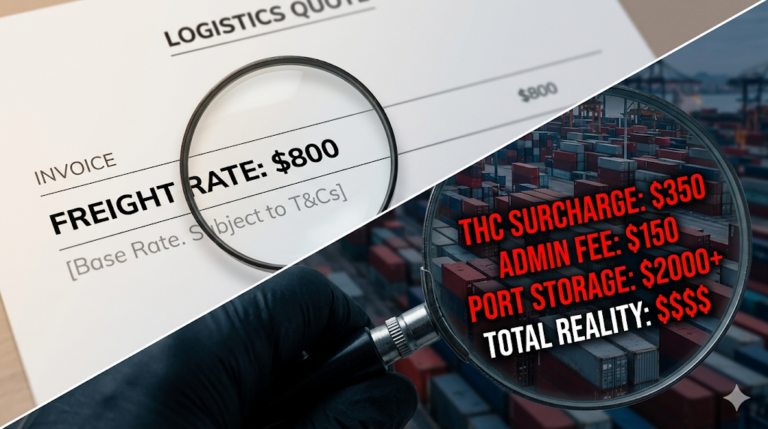
Improve landed-cost modelling.
Incorporate buffer time into planning cycles.
Diversify suppliers where commercially viable.
Strengthen customs compliance documentation.
Use scenario planning for freight-mode decisions.
Monitor port performance trends, not just freight rates.
Engage logistics partners who provide advisory insight, not only bookings.
Proactive strategy reduces reactive crisis management.
Strategic Positioning for the Future
South African logistics will not collapse — but it will remain complex. Infrastructure reform will be gradual. Environmental cost pressures will increase. Digital compliance systems will tighten oversight. Carrier alliances will continue shaping rate cycles.
For SMEs, this means planning must become structured and data-informed.
The next five years will reward businesses that treat logistics as a competitive differentiator rather than a cost centre.
At 5 Seas Logistics, we work with clients to model scenarios, optimise routing, and anticipate regulatory and operational shifts before they impact profitability. In a trade environment defined by structural change, strategic preparation is no longer optional — it is essential for sustainable growth.